

The Role of Edge Computing in Network Storage
When it comes to maintaining the integrity and performance of your Hewlett Packard Enterprise (HPE) systems, the importance of using genuine replacement parts cannot be overstated. Purchasing these parts from a certified reseller ensures that you receive high-quality, reliable components that meet HPE's stringent standards. In this blog post, we'll explore why buying from a certified reseller is crucial and why Storage Parts Direct is your best source for HPE replacement parts.
Understanding Edge Computing
Edge computing is a transformative technology that brings computing power closer to the data source. Unlike traditional cloud computing, where data processing happens in centralized data centers, edge computing processes data at the "edge" of the network, closer to where it is generated. This approach reduces latency, enhances performance, and improves the efficiency of data processing.
- Definition: Edge computing involves delivering computing capabilities to local points within a network, enabling greater performance and lower latency.
- Components: Key components include edge devices, edge servers, and edge data centers.
- Use Cases: Industries such as IoT, autonomous vehicles, and smart cities are leveraging edge computing for real-time data analysis and decision-making.
The Intersection of Edge Computing and Network Storage
Edge computing is changing the landscape of network storage by bringing data processing closer to the source. This shift has several significant implications:
- Data Proximity: Processing data closer to its source reduces latency, which is crucial for time-sensitive applications.
- Bandwidth Efficiency: By processing data at the edge, the amount of data that needs to be transmitted to central data centers is reduced, saving bandwidth.
- Real-Time Processing: Edge computing enables real-time data processing, which is essential for applications that require immediate insights and actions.
Benefits of Edge Computing for Network Storage
Edge computing offers several benefits for network storage, including:
- Reduced Latency: Minimizes latency, improving the performance of time-sensitive applications.
- Enhanced Security: Keeping data closer to the source can enhance security and privacy, reducing the risk of data breaches during transmission.
- Scalability: Allows for more scalable storage solutions by distributing data processing across multiple edge locations.
- Cost Efficiency: Potential cost savings from reduced data transmission and lower reliance on centralized cloud storage.
Challenges and Considerations
While edge computing offers numerous benefits, it also presents several challenges:
- Infrastructure Complexity: Managing and maintaining a distributed edge computing infrastructure can be complex.
- Data Management: Ensuring data synchronization, consistency, and integrity across edge and central storage can be challenging.
- Security Concerns: Robust security measures are needed to protect data at the edge.
- Interoperability: Ensuring compatibility between edge computing solutions and existing network storage systems is crucial.
Case Studies and Real-World Examples
Edge computing is already making a significant impact in various industries:
- Smart Cities: Edge computing is used in smart city projects to manage and analyze data from various sensors in real-time.
- Healthcare: Transforming healthcare by enabling real-time data processing for patient monitoring and diagnostics.
- Retail: Enhancing inventory management, personalized customer experiences, and real-time analytics.
Future Trends and Developments
The future of edge computing in network storage looks promising:
- 5G Integration: The rollout of 5G networks will further enhance the capabilities of edge computing.
- AI and Machine Learning: AI and machine learning will optimize edge computing and storage solutions.
- Edge-to-Cloud Continuum: The concept of an edge-to-cloud continuum will shape the future of data processing and storage.
Conclusion
Edge computing is revolutionizing network storage by bringing data processing closer to the source, reducing latency, enhancing security, and providing scalable and cost-efficient solutions. As the technology continues to evolve, its impact on various industries will only grow. Businesses should stay informed about these developments and consider how edge computing can benefit their operations.
For more information and to browse their extensive inventory of HPE parts, visit Storage Parts Direct.
Recent Posts
-
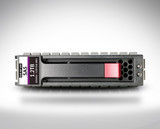
HPE E7W474 1.2TB 10K RPM SAS Drive – Powering MSA 1040/2040 with Enterprise‑Grade Speed, Resilience & Hot‑Swap Agility
HPE E7W474 1.2TB 10000RPM 2.5-Inch SFF Dual Port SAS-6Gbps Hot-Swap Enterprise Hard Drive — A Comple …Jun 18th 2026 -
The Unsung Hero of Your Data Center: Why the HPE AT146A 1.2TB Enterprise Hard Drive is the Reliable Workhorse Your Legacy Servers Can't Live Without
The Complete Guide to HPE AT146A 1.2TB Enterprise Hard Drive: Power Your Mission-Critical Servers In …Jun 17th 2026 -
Don't Retire That Server Yet — The HPE 693648-B21 1.2TB 10K SAS Drive Changes the Math
HPE 693648-B21 1.2TB 10K RPM SAS 6Gbps 2.5-Inch Hard Drive: The Complete Guide for ProLiant Server U …Jun 16th 2026