null
Turbocharging Your Gen10: The HPE P09096-B21 6.4TB SAS SSD That Packs Security, Speed, and Serious Capacity Into One Smart Carrier

Turbocharging Your Gen10: The HPE P09096-B21 6.4TB SAS SSD That Packs Security, Speed, and Serious Capacity Into One Smart Carrier

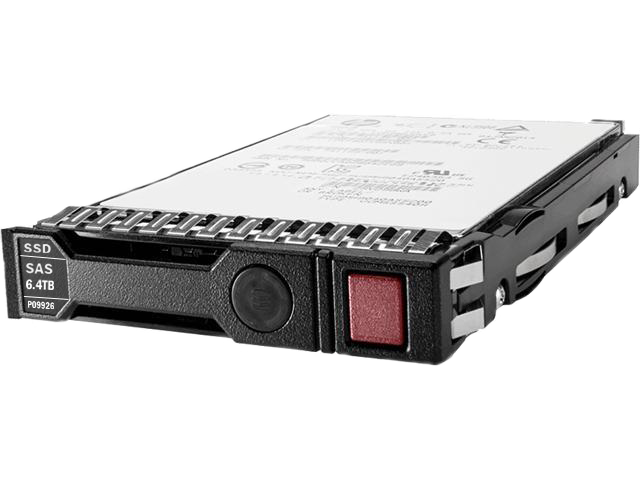
HPE P09096-B21 6.4TB 2.5-inch SFF Digitally Signed Firmware MLC SAS-12Gbps Smart Carrier Mixed Use SSD for ProLiant Gen10 Servers

If you’re upgrading storage in HPE ProLiant Gen10 servers and need a dependable, high-capacity SSD that balances read/write performance with enterprise-grade security, the HPE P09096-B21 6.4TB SAS SSD is built for that role. This drive combines 12Gbps SAS connectivity, Mixed Use endurance, MLC NAND, and Digitally Signed Firmware—all delivered in HPE’s 2.5-inch SFF Smart Carrier for easier serviceability and lifecycle management.

Why the HPE P09096-B21 Is a Strong Fit for Gen10 Server Storage

Enterprise SAS performance for modern workloads

The SAS-12Gbps interface is designed for server backplanes and RAID controllers common in ProLiant Gen10 platforms. Compared to SATA SSDs, SAS brings advantages that matter in production environments, such as better dual-porting support (in many SAS architectures), improved robustness for shared storage designs, and consistent behavior under multi-user load.

Mixed Use endurance: a practical balance of speed and write capability

Mixed Use” SSDs are designed for environments where you don’t just read data—you also write, update, and log frequently. That makes the HPE P09096-B21 a good match for:

  • Virtualization and VM clusters
  • Databases with steady transaction activity
  • Analytics and data processing
  • Email/collaboration platforms
  • General-purpose enterprise applications with moderate write intensity

6.4TB capacity in a 2.5-inch SFF form factor

Packing 6.4TB into a 2.5-inch SFF drive enables higher storage density per server. This can reduce the number of drive bays required, help keep systems compact, and support scaling strategies where you add performance and capacity without moving to larger chassis designs.

Key Features at a Glance

Model and platform positioning

  • Part number: HPE P09096-B21
  • Capacity: 6.4TB
  • Form factor: 2.5-inch SFF
  • Interface: SAS 12Gbps
  • NAND type: MLC
  • Usage class: Mixed Use
  • Carrier: HPE Smart Carrier
  • Target servers: HPE ProLiant Gen10 (and compatible HPE platforms where supported)

Digitally Signed Firmware for stronger supply-chain and update security

Firmware integrity is a growing concern in enterprise infrastructure. Digitally Signed Firmware helps ensure the SSD firmware is authentic and has not been tampered with. For IT teams focused on platform security and compliance, this feature supports a more trustworthy update and lifecycle management process.

What “Smart Carrier” Adds in Day-to-Day Operations

Faster troubleshooting with intuitive status indicators

HPE’s Smart Carrier design typically incorporates clear visual indicators to help admins identify drive status quickly during maintenance windows—especially useful in dense racks and multi-node environments.

Better manageability in HPE server ecosystems

In many ProLiant environments, Smart Carrier drives integrate smoothly with HPE management and storage tooling, supporting more streamlined monitoring and service workflows. That can translate to:

  • Faster identification of failing drives
  • Improved maintenance efficiency
  • Reduced risk of pulling the wrong drive in busy arrays

Performance Benefits You Can Expect (Without Overpromising)

Low latency and high IOPS characteristics of enterprise SSDs

While exact performance varies based on RAID level, controller, queue depth, and workload pattern, SAS SSDs like this are chosen for consistent responsiveness. In real deployments, you typically see improvements in:

  • VM boot and login storms
  • Database query responsiveness
  • Application load times
  • Batch job completion windows

Consistency under concurrent access

In shared server environments, storage performance isn’t just about peak throughput—it’s about staying predictable when multiple services compete for IO. Mixed Use SAS SSDs are designed to deliver steadier behavior than consumer-grade alternatives.

Ideal Use Cases for the HPE P09096-B21 6.4TB Mixed Use SSD

Virtualization and private cloud clusters

VM hosts benefit from SSD latency reductions, particularly when many VMs share the same datastore. This drive’s capacity can also help consolidate VM storage while keeping performance strong.

Database and transactional applications

For SQL and transactional systems that read frequently and write continuously, Mixed Use SSDs are often the best cost-to-endurance fit—more write-capable than Read Intensive, without the cost profile of ultra-high endurance tiers in every scenario.

Software-defined storage and HCI nodes

HCI and SDS stacks tend to generate a mix of reads/writes plus background activity (replication, rebalance, compaction). A Mixed Use SSD helps handle that blended IO pattern more gracefully.

High-density boot, app, and cache tiers

In Gen10 fleets, common deployment patterns include SSDs for:

  • OS and hypervisor boot pools
  • Application tiers requiring quick access
  • Caching and hot-data layers

Compatibility Notes for ProLiant Gen10 Buyers

Verify controller and backplane support

To get the most from SAS 12Gbps, confirm that your ProLiant Gen10 configuration includes:

  • A SAS-capable backplane
  • A compatible HPE Smart Array or SAS HBA supporting 12Gb SAS
  • Appropriate firmware levels (server, controller, drive)

Mixed drive types and RAID planning

If you’re adding this drive into existing arrays, align on:

  • Same interface type (SAS with SAS) for simplest compatibility
  • Similar performance classes across a RAID group
  • RAID level based on your priorities (performance, capacity, resilience)

Deployment and Setup Tips (Practical Admin Checklist)

Pre-install planning

Before installation, decide:

  • RAID level (e.g., RAID 1/10 for performance + resilience, RAID 5/6 for capacity efficiency where appropriate)
  • Hot spare strategy for uptime
  • Monitoring/alerting thresholds for wear and predictive failure

Installation best practices

  • Insert the drive into the correct SFF bay and confirm it seats fully in the Smart Carrier
  • Use your HPE server storage tooling to confirm the drive is detected
  • Apply recommended firmware baselines across server, controller, and drives to keep behavior consistent

Monitor SSD health over time

For enterprise SSD operations, keep an eye on:

  • Wear indicators / remaining life estimates
  • Media error counts and predictive failure warnings
  • Temperature and airflow conditions (especially in dense chassis)

Why MLC NAND Still Matters in Enterprise Mixed Use SSDs

MLC as a durability and performance middle ground

MLC (Multi-Level Cell) NAND is frequently used in enterprise SSDs where the goal is a solid blend of:

  • Sustained performance
  • Better endurance than consumer-focused NAND configurations
  • Predictable reliability under server workloads

For organizations that need write capability beyond read-heavy use, MLC-based Mixed Use drives remain a practical choice.

Buying Guide: Is the HPE P09096-B21 the Right SSD for You?

Choose this drive if you need:

  • 6.4TB high-density SSD capacity in 2.5-inch SFF
  • SAS 12Gbps connectivity for ProLiant Gen10 server storage stacks
  • Mixed Use endurance for steady writes, not just reads
  • Digitally Signed Firmware as part of a security-conscious hardware lifecycle
  • HPE ecosystem integration via Smart Carrier

Consider alternatives if:

  • Your workload is extremely write-heavy (you may need a higher endurance class)
  • Your server bays/controllers are SATA-only (you’ll need a SATA SSD instead)
  • You’re building a capacity-first archive tier (HDDs may be more cost-effective)

Frequently Asked Questions

Is the HPE P09096-B21 compatible with all ProLiant Gen10 servers?

It’s designed for ProLiant Gen10 environments, but compatibility depends on your specific model, backplane, and controller. Confirm you have SAS support and that your platform supports SFF SAS drives in the target bays.

What does “Mixed Use” mean in practice?

Mixed Use SSDs are engineered for balanced read/write workloads—commonly used for virtualization, databases, and general enterprise applications where writes are frequent but not extreme.

Why choose SAS SSD instead of SATA SSD?

SAS is built for enterprise server architectures and often provides stronger reliability features and better alignment with data center backplanes/controllers. It’s also a common standard in ProLiant storage configurations.

What is “Digitally Signed Firmware” and why should I care?

Digitally Signed Firmware helps ensure the drive is running authentic, validated firmware, reducing the risk of firmware tampering and supporting more secure update practices.

Final Thoughts: A High-Capacity, Secure, Mixed Use SSD Upgrade for Gen10

The HPE P09096-B21 6.4TB 2.5-inch SFF SAS-12Gbps Mixed Use SSD is a compelling option for organizations that want high-density SSD capacity, enterprise SAS connectivity, and security-forward firmware protection in HPE Smart Carrier packaging. For ProLiant Gen10 environments running virtualization, databases, and mixed enterprise workloads, it’s a strong building block for improving responsiveness while maintaining the manageability and consistency IT teams expect from HPE storage components.

Apr 10th 2026 Mike Anderson

Recent Posts